Industry News

  • What is cosmetic OEM? What is OEM processing? The OEM processing flow of cosmetic factories

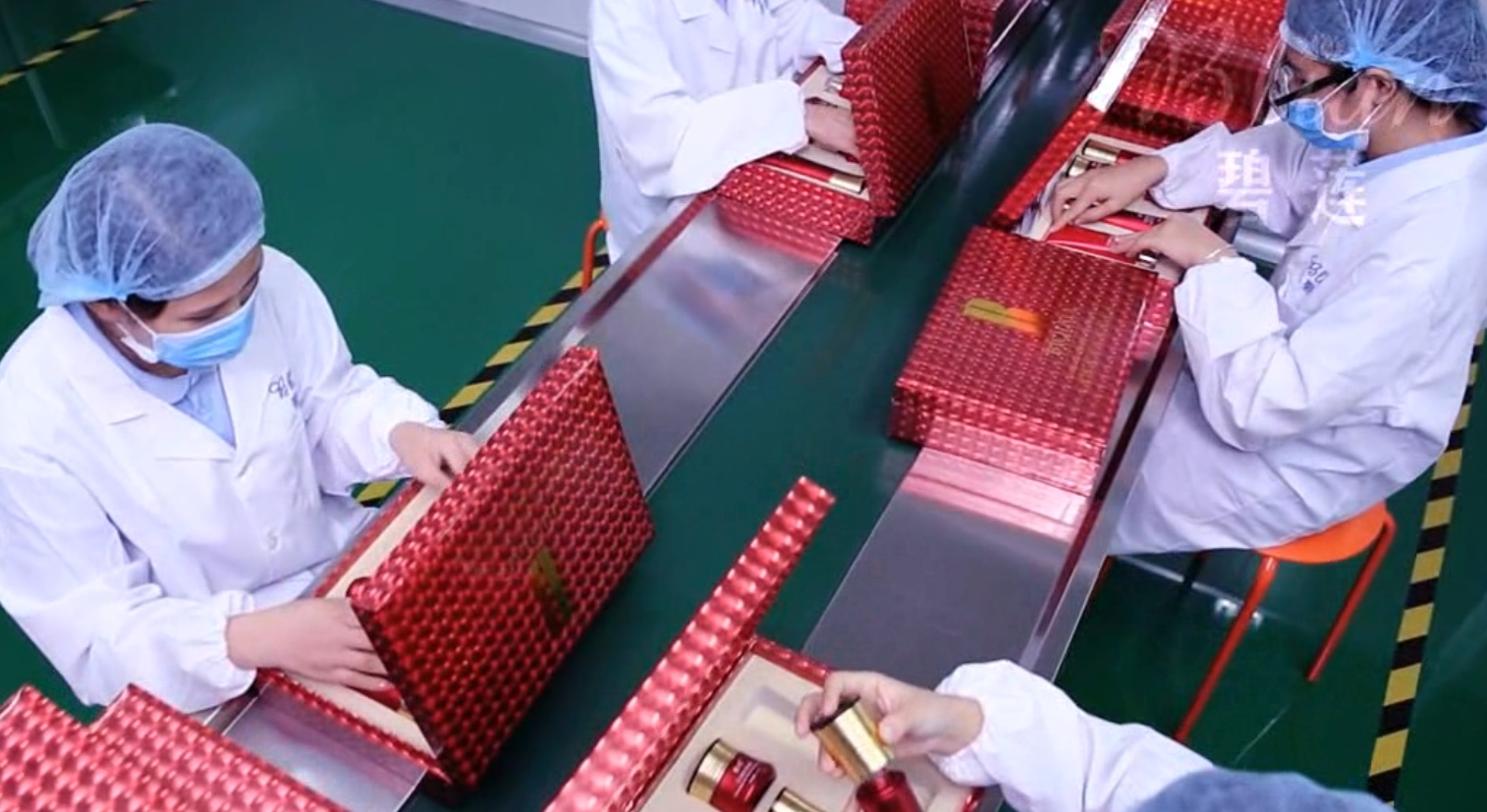
    The full name is Original Equipment Manufacturer, literally translated as Original Equipment Manufacturer. In the cosmetics field, it refers to a brand owner who owns the brand, trademark, sales channels, and product concept and positioning, but does not produce the product themselves. Instead, it entrusts cosmetics factories with production qualifications and capabilities to complete the production and manufacturing of cosmetics according to the formula, packaging design, quality standards, and other requirements given by the brand, using the factory's site, equipment, and manpower. Finally, the finished products are labeled with the brand's trademark and sold in the market. For example, a niche beauty brand plans to launch a new moisturizing face cream and entrusts a professional cosmetics factory to produce according to its formula requirements, which is the cosmetics OEM mode.
    Date:2024/12/30
  • How to determine if the production equipment of a cosmetics factory meets the requirements?

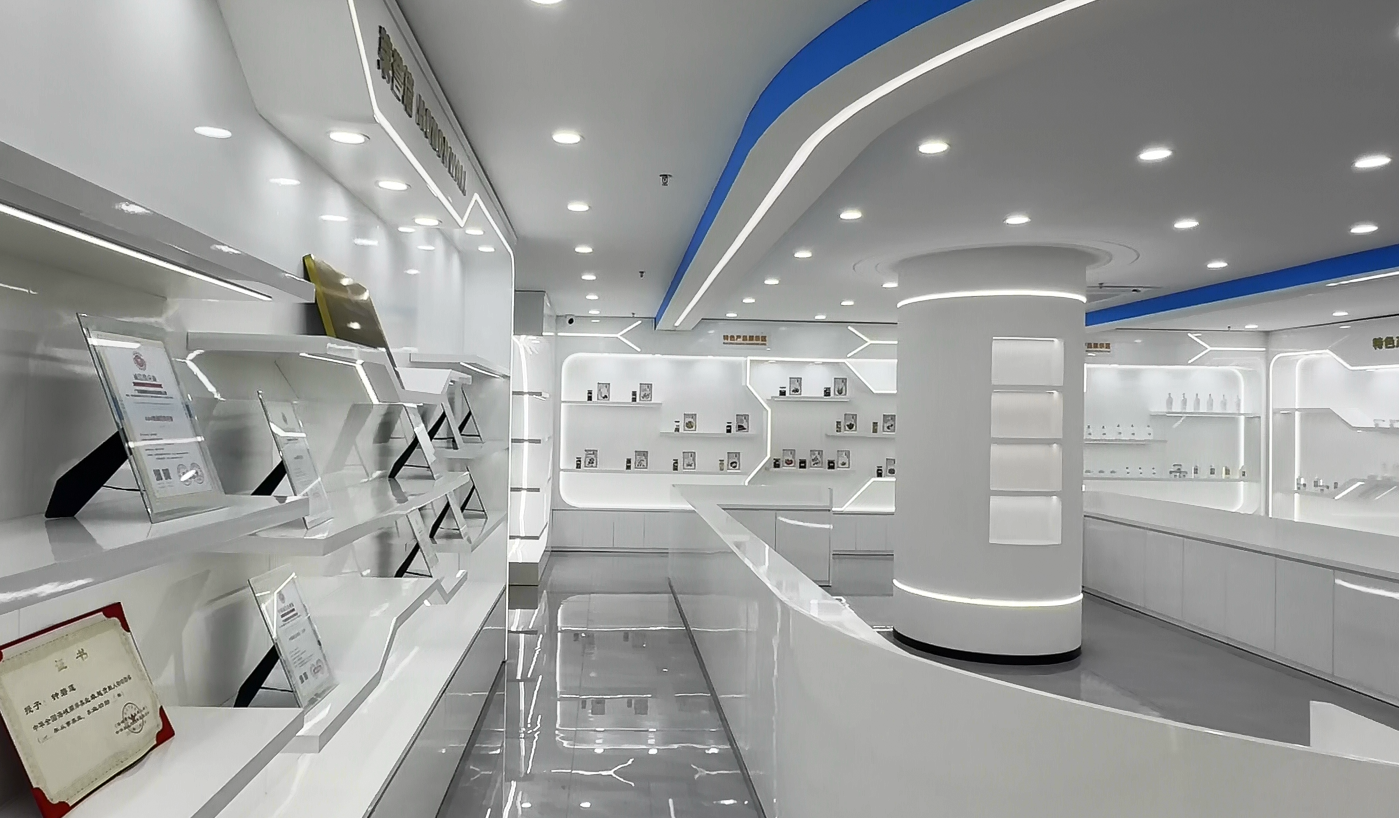
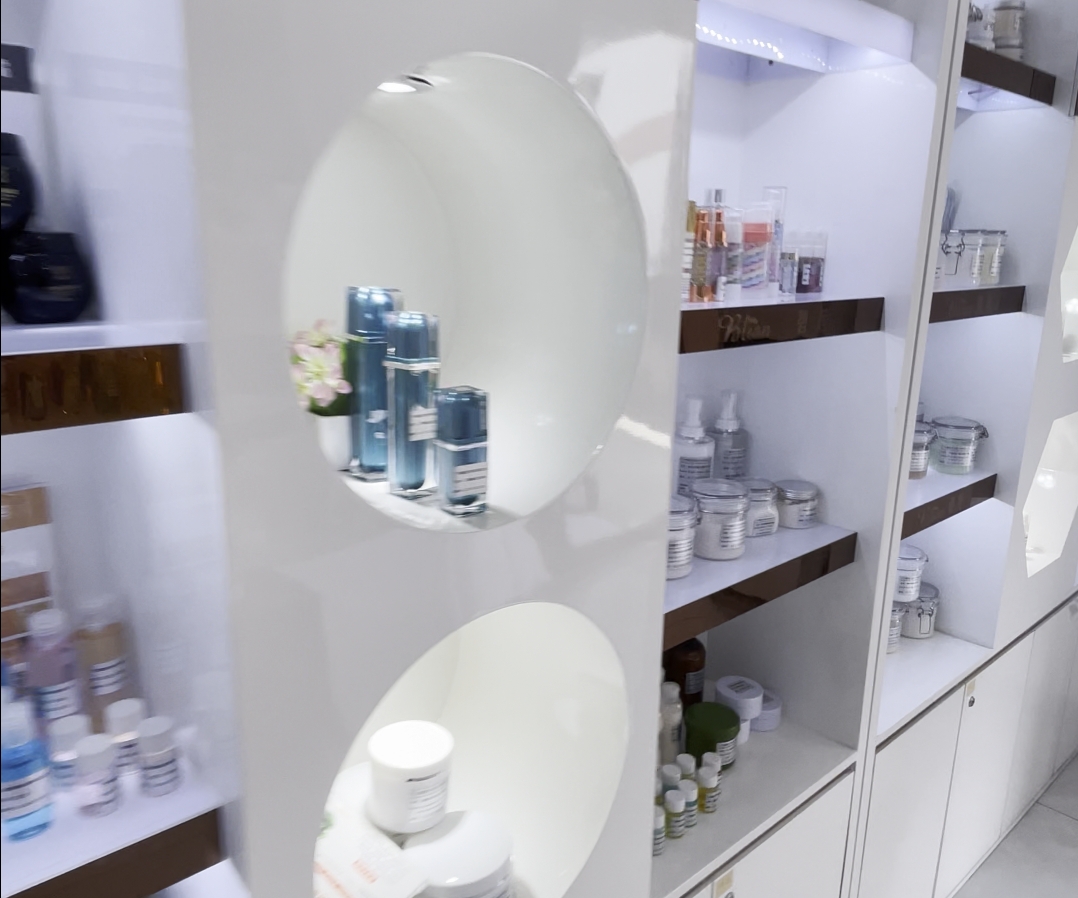
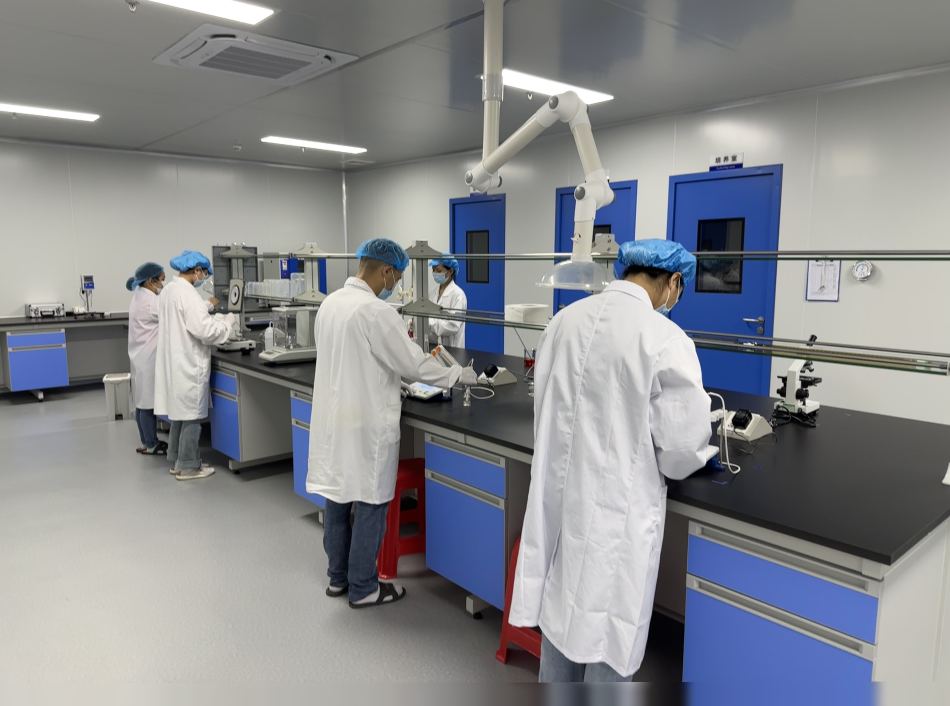
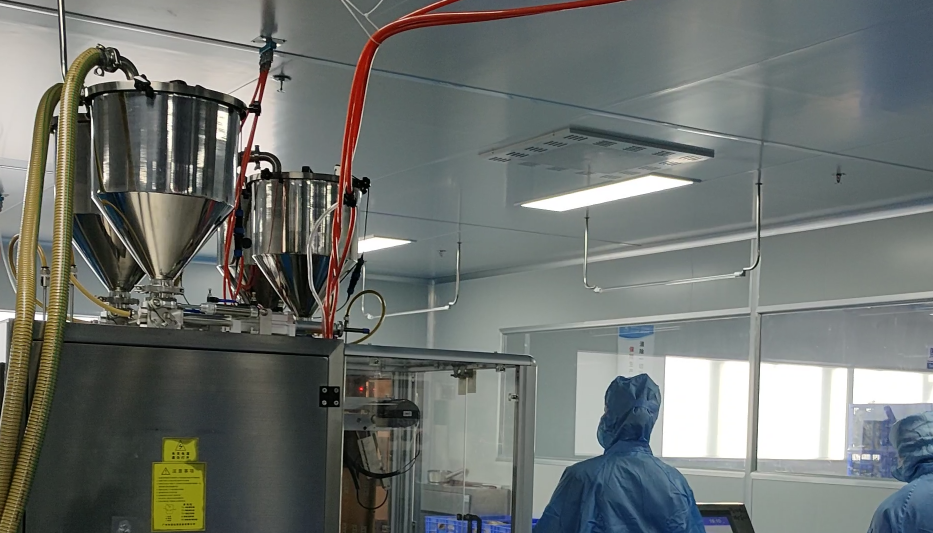
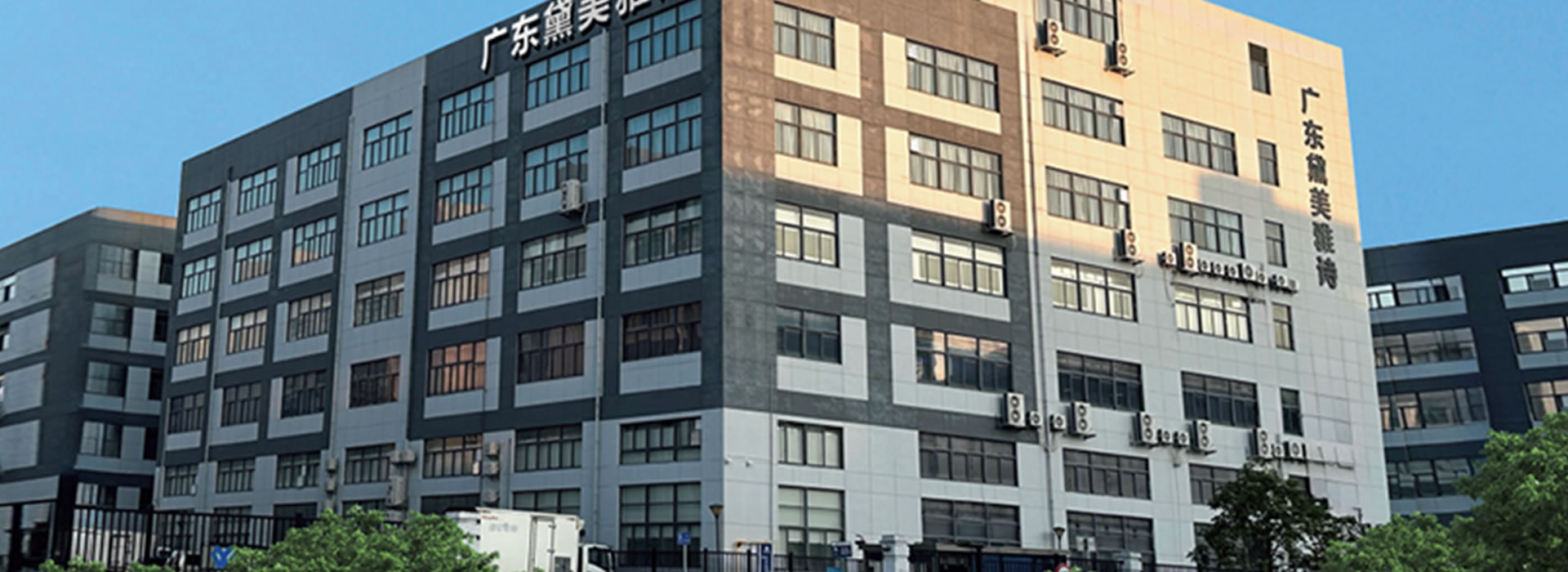
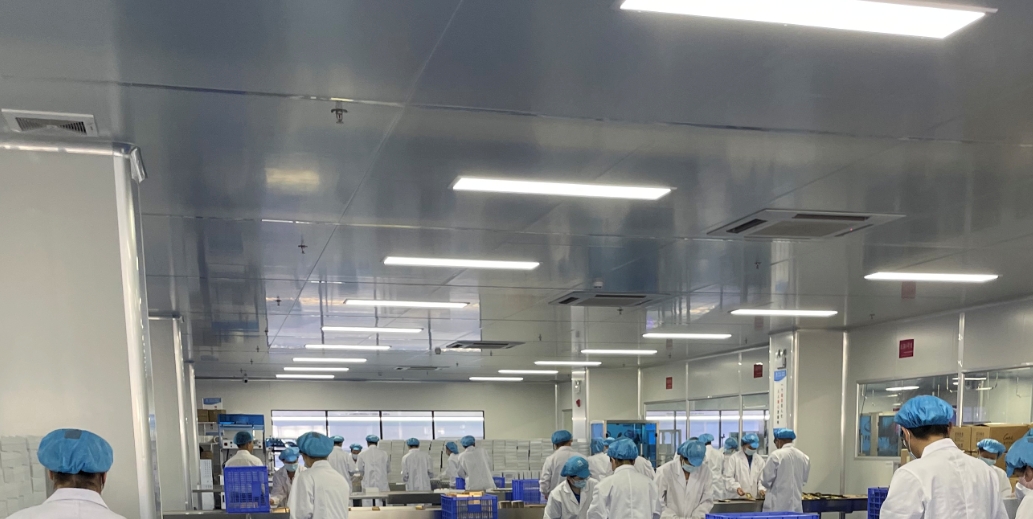
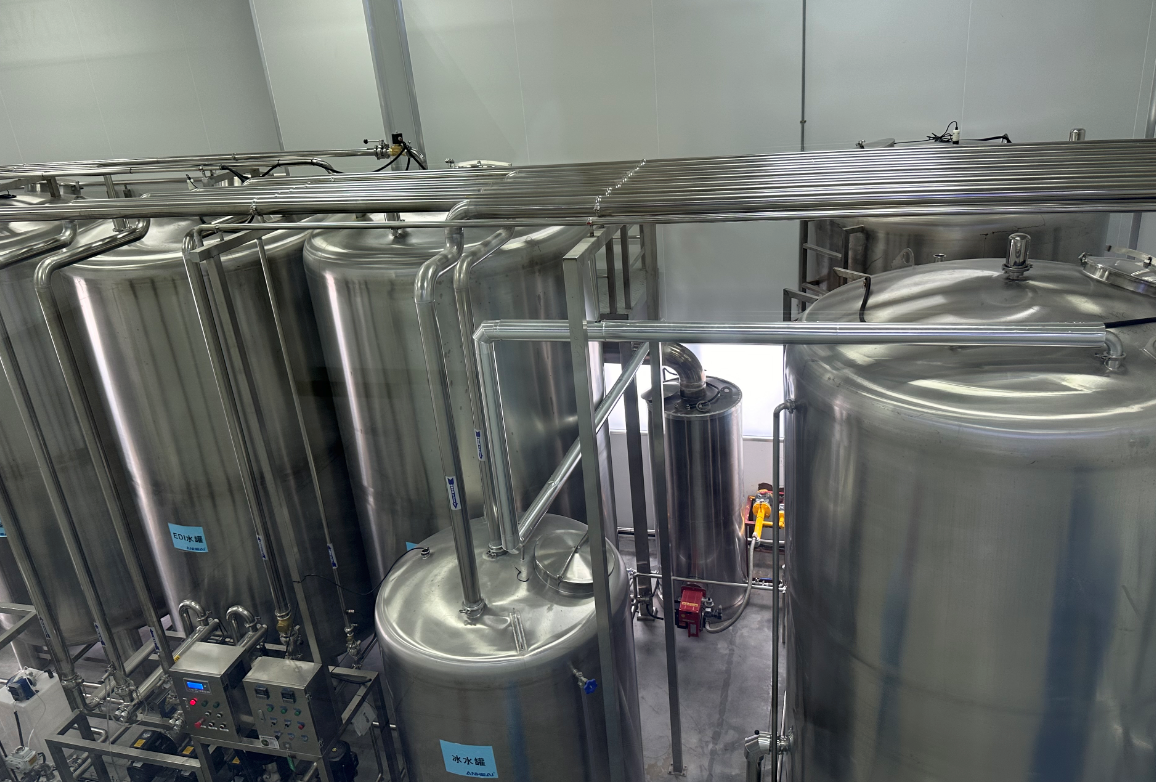
    To determine whether the production equipment of a cosmetics factory meets the requirements, the following aspects can be taken into account: Progressiveness of equipment: Technical parameters: View key equipment such as emulsification speed and homogenization effect related parameters of the emulsifier. The advanced emulsification function makes the oil phase and water phase more evenly and finely mixed to produce smooth lotion and cream. Taking the production of high-end skin care lotion as an example, good emulsification equipment can rotate at thousands of revolutions per minute to ensure that active ingredients are evenly dispersed. If the rotating speed is too low, the product is prone to layering and graininess. Automation level: Equipment with high automation level can accurately control the production process, reduce manual intervention errors, and improve production efficiency and quality stability. The fully automatic filling machine can accurately fill skincare products according to the set volume, and the deviation can be controlled within a very small range; The intelligent labeling machine is capable of high-speed and precise positioning of labels, avoiding misalignment and missing labels. On the other hand, manual or semi-automatic equipment has a higher probability of errors. Update frequency: Understanding the factory equipment update plan and investment, regularly updating equipment in the factory, making it easier to keep up with the pace of new processes and technologies in the industry. The emerging freeze-drying technology is used in cosmetics production to retain highly active ingredients. If the factory introduces relevant freeze-drying equipment in a timely manner, it indicates that it is proactive and has the strength to produce cutting-edge products. afee.jpg Daimei Yashi Cosmetics Factory Equipment completeness: Process coherence: The production of high-quality cosmetics requires the coordination of multiple processes, from raw material pretreatment, mixing and stirring, emulsification and homogenization, to filling, packaging and other links. Corresponding equipment is indispensable and must be smoothly connected. For example, in the production of lipstick, equipment such as melting pots, lipstick molds, demolding machines, packaging machines, etc. need to operate in a coordinated manner. Without a link, the production chain will break, resulting in low efficiency or even inability to produce qualified products. Capacity adaptability: The equipment capacity in each production process should be adapted to avoid any bottleneck that may slow down the overall progress. If 10000 bottles of essence liquid are produced per day in the emulsification link, but only 5000 bottles can be processed in the filling link, the overall production capacity will be reduced, resulting in resource waste and delivery delay. Equipment cleaning and maintenance: Cleaning process specification: Cosmetics come into direct contact with human skin and have extremely high hygiene requirements. The factory equipment cleaning system and process should be inspected, and the equipment should be able to be thoroughly disassembled and cleaned to avoid residual old batches of raw materials and product growth of microorganisms. For example, reaction vessels, pipelines, etc. need to be regularly treated with professional cleaning agents and high-temperature steam to ensure sterility and no residue.
    Date:2024/12/30
  • What details should brand owners pay attention to when cooperating with cosmetics factories?

    Production qualification verification: It is necessary to confirm that the cosmetics factory holds a valid "Cosmetics Production License", and the scope of the license must accurately cover the categories of cooperative products. For example, for the production of special purpose cosmetics such as whitening and sunscreen products, the corresponding qualification requirements are stricter. It is necessary to check whether the license details include the corresponding items to prevent legal risks caused by exceeding the scope of production.
    Date:2024/12/30
  • What is cosmetic labeling and what is the process of cosmetic factory labeling

    OEM/ODM (Original Equipment Manufacturer) is a cooperative model in which brand manufacturers use the production capacity and qualifications of their cosmetics factories to launch their own branded cosmetics
    Date:2024/12/30