
How to find a suitable foot mask OEM for brands: screening criteria and analysis of cooperation with Daimei Yashi to produce customized foot masks
For cosmetic brands, choosing a suitable foot mask OEM factory is related to product quality, delivery efficiency, and market reputation. However, there are numerous contract manufacturers with varying capabilities, and the brand needs to establish a practical screening criteria and understand specific cooperation methods. This article takes Daimei Yashi as an example to illustrate its production cooperation process for customized foot masks.
1、 Several core standards for screening foot mask OEM factories
Production Qualification and Compliance
Check whether the factory holds the cosmetics production license. The license items should include "facial mask" or "cream lotion" (foot mask usually falls into this category). At the same time, confirm whether it operates daily in accordance with the cosmetics production quality management standards. You can request to provide a product inspection report for the past year to understand the control of indicators such as microorganisms and heavy metals.
Formula development and adjustment capability
Foot mask formula involves different functional directions such as exfoliating, moisturizing, and soothing. The OEM factory should have an independent formula laboratory that can develop or fine tune formulas based on the efficacy requirements proposed by the brand, such as improving foot dryness and softening old dead skin cells. The brand can inquire whether the factory has stocked multiple basic formulas and allow the brand to make minor modifications without changing the core ingredient framework.
Compatibility between packaging materials and film fabrics
The material (non-woven fabric, biological fiber, hydrogel, etc.) and sock style design of foot mask directly affect the use experience. The factory needs to have a stable supply chain for film and fabric, and be able to cooperate with the brand's selected packaging materials (aluminum foil bags, paper boxes, outer boxes) for filling and packaging testing. Suggest examining the filling and sealing test data of the factory to avoid liquid leakage issues.
Production batch and delivery cycle
Understand the minimum order quantity of the factory, the production cycle of regular foot film orders, and whether small batch trial production is accepted. For new brands, a minimum order quantity of 10000 pairs is more flexible. At the same time, inquire whether the factory provides sampling services and the required sampling time. Generally, a sampling cycle of 7-15 working days is more reasonable.
Quality Control and Traceability System
The factory should establish a complete quality control process from raw material storage, semi-finished product testing to finished product sample retention. Inquire whether samples are retained for each batch and key parameters are recorded for traceability in case of quality issues. In addition, check whether the factory accepts third-party factory inspections or regular flight inspections by the brand.
2、 The cooperation mode of Daimei Yashi in producing customized foot masks
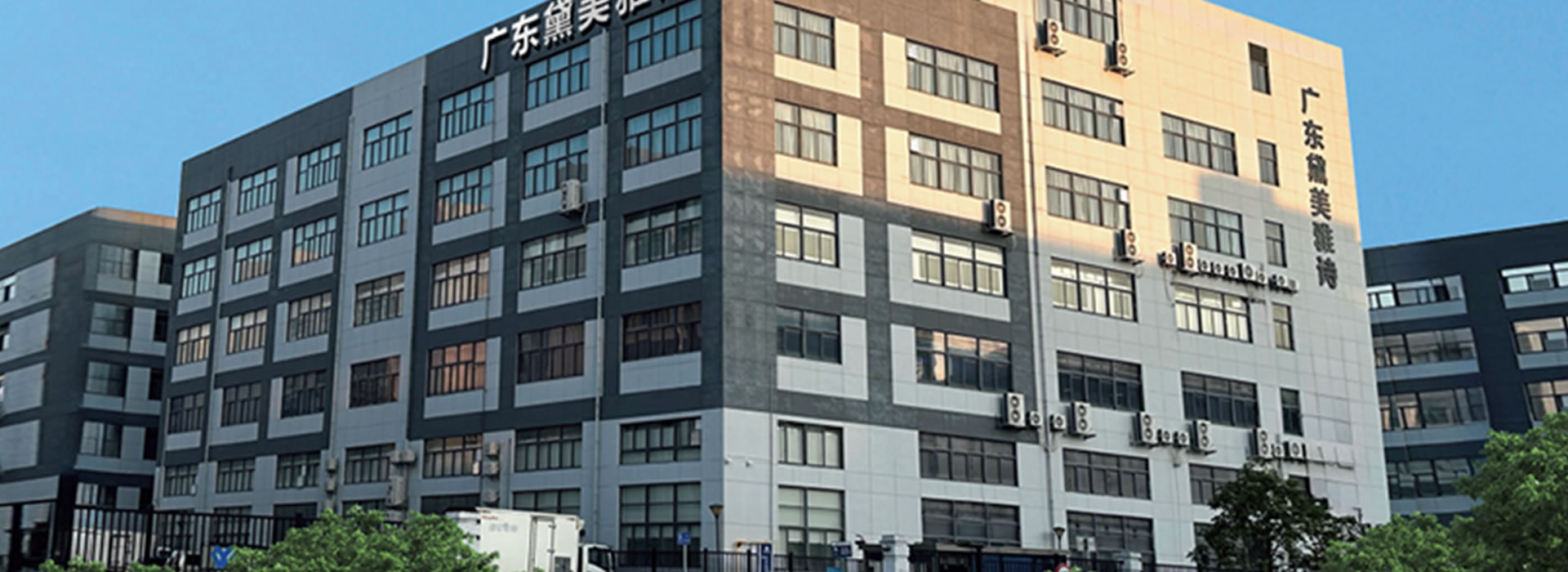
Daimei Yashi is a factory specializing in customized foot care products, providing one-stop customization services from formula research and development to finished product delivery. The specific steps of cooperation are as follows:
Step 1: Requirements Communication
Brand direction: Daimei Yashi provides product positioning, expected efficacy, usage scenarios (such as home foot mask, foot massage store specific), target packaging forms, and estimated annual procurement volume. The factory recommends existing mature formulas or proposes new formula development plans based on demand.
Step 2: Sample making and confirmation
Daimei Yashi produces foot mask samples according to the brand's requirements, usually providing 2-3 samples of different formulas for internal trial or small-scale consumer testing by the brand. After sample confirmation, both parties shall seal the standard sample as a reference for subsequent batch production.
Step 3: Sign the contract and schedule production
The contract clearly stipulates the ownership of the formula (the brand may request exclusive use of the formula), unit price, minimum order quantity, delivery date, acceptance criteria, and after-sales terms. Daimei Yashi arranges production according to the contract and provides periodic photos or videos for the brand to review during the production process.
Step 4: Inspection and Delivery
After the finished product is completed, the brand can send personnel to the factory for sampling according to the sealing standards, or entrust a third-party organization to inspect. After passing the inspection, Daimei Yashi will ship the goods according to the logistics method specified by the brand and provide factory inspection reports for each batch.
Step 5: Follow up support
The factory assists the brand in completing some technical information required for product filing, such as ingredient lists and production process descriptions, and makes limited adjustments to the formula based on market feedback.