
How to choose a suitable air cushion frost OEM for a brand: screening criteria, service details, and cooperation process
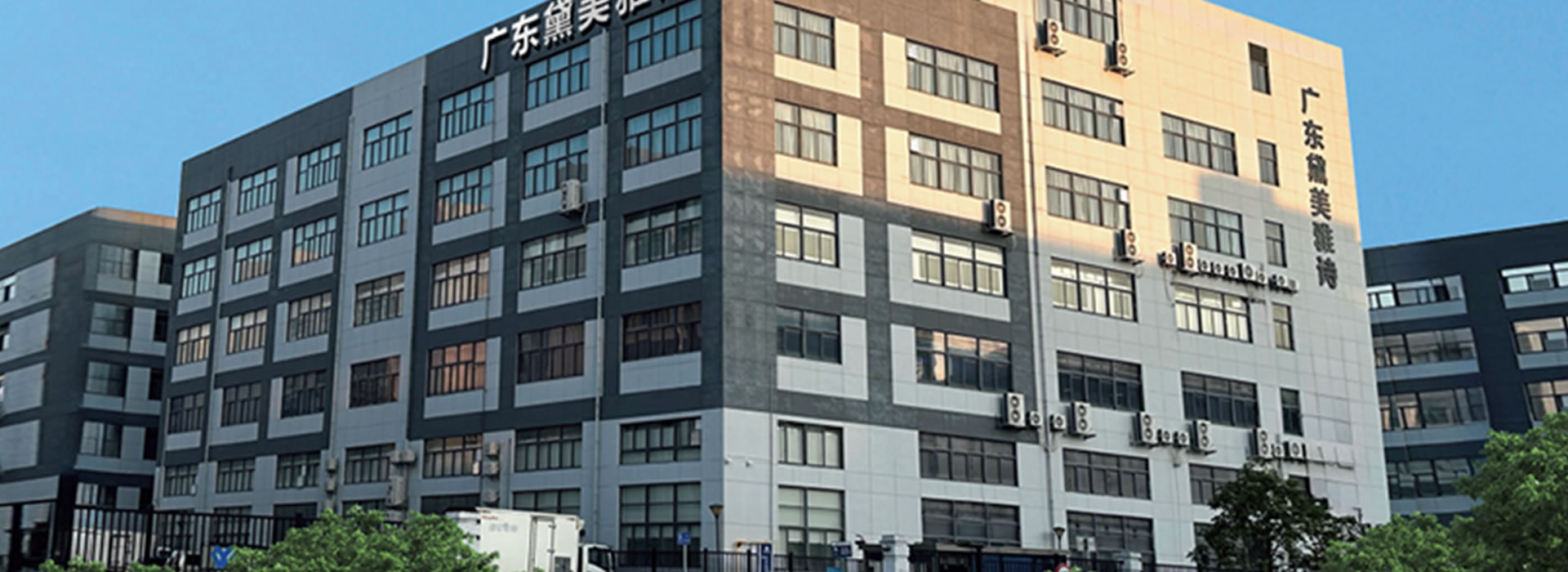
In the cosmetics market, air cushion cream has become a daily choice for many consumers due to its convenient application method and even makeup effect. For brand owners, finding a suitable air cushion cream OEM factory is a crucial step in moving products from concept to physical production. The following provides a reference idea from three aspects: screening criteria, service details of the Daimei Yashi makeup brand factory, and cooperation process.
1、 Several criteria for selecting contract manufacturers
When choosing a contract manufacturer, the brand can evaluate from the following dimensions:
Qualification compliance
Confirm that the factory holds a "Makeup Brand" cosmetics production license and has the production scope related to air cushion cream. Check whether the factory has passed the ISO 22716 (Good Manufacturing Practice for Cosmetics) and other system certifications, which is the basis for product compliance and market launch.
Production environment and equipment
Conduct on-site inspections of the factory's cleanroom level, air purification system, and filling line automation level. Air cushion frost requires sealing and material uniformity, and automated vacuum filling equipment can reduce human errors.
Formula development capability
Understand whether the factory has independent laboratories and R&D personnel. You can request the other party to provide past sample cases to evaluate their technical level in adjusting powder particle size, emulsification system, and moisturizing agent ratio.
Quality control process
Inquire about the inspection process of raw materials, semi-finished products, and finished products in the factory, including microbiological testing, stability testing (high and low temperature cycling, centrifugal testing), packaging material sealing testing, etc. Complete quality control records are the guarantee of product consistency.
Capacity and coordination
Based on the initial order quantity of the brand, confirm the minimum order quantity, production cycle, and peak/off season scheduling capacity of the factory. Small brands can prioritize factories that accept small batch customization.
2、 Service Details of Daimei Yashi Makeup Factory
Taking Daimei Yashi as an example, the factory provides the following services in the field of air cushion frost OEM:
Formula customization: according to the skin feeling requirements (such as refreshing and moisturizing), concealer force requirements and color number reference provided by the brand, the R&D team provides 2-3 versions of proofing for screening. The matching degree between the pore density of the sponge powder core and the flowability of the material can be adjusted.
Packaging material selection: Assist the brand in selecting air cushion containers (ordinary round, square, mesh, etc.), test the rebound force of the powder puff and the closure of the sealing ring to avoid material evaporation.
Filing support: Provide testing reports (including nine safety indicators such as heavy metals and total bacterial count) required for non cosmetic product filing, and assist in organizing filing documents.
Stability retention samples: Each batch of products should be retained and samples should be regularly observed for at least 12 months for any changes in their characteristics. Any abnormalities can be traced back.
3、 Collaboration Process Reference
Requirement communication: The brand provides product positioning, target price range, estimated order quantity, and the factory provides a preliminary plan and quotation.
Sample confirmation: After paying the sample fee, the factory produces small samples (usually 5-10), and the brand conducts skin feel and makeup effect tests.
Sign the contract: After confirming the formula and packaging materials, agree on the unit price, delivery time, acceptance criteria, and confidentiality terms.
Trial production and mass production: First, conduct small-scale trial production (about 3000 units) to inspect the uniformity of filling and the matching of packaging materials; After passing, enter mass production.
Shipment and after-sales: The factory provides finished product inspection reports and arranges logistics for shipment. After the product is launched, the factory can provide formula adjustment and return order support.
There is no universal answer to choosing a contract manufacturer. Brands need to find suitable partners based on their own positioning and budget, combined with on-site inspections and sample testing.