
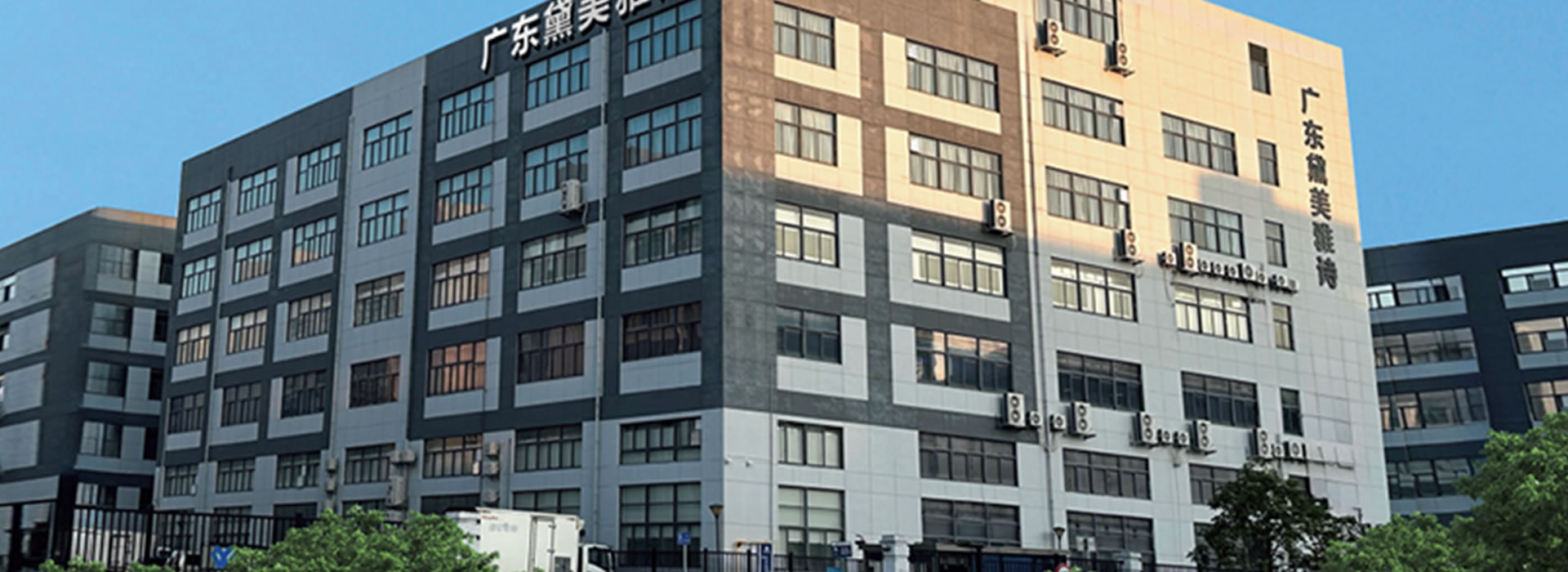
How to find a suitable cosmetics processing factory for a brand: investigation, cooperation, and process guide
For cosmetic brands, choosing a processing plant is a crucial step in product implementation. The production capacity, quality control level, and cooperation level of a factory directly affect product quality and market pace. The following will be discussed from three aspects: inspection dimensions, cooperation conditions, and processes, for the reference of brand owners.
1、 Inspecting the factory: verifying each item from documents to the site
The investigation should be carried out in a hierarchical manner, avoiding only looking at the surface.
Qualification and Compliance Review
Ask for the factory's business license and cosmetics production license, and check whether the licensed items cover your dosage form (such as cream, lotion, facial mask, etc.). View regulatory inspection records and product sampling results from the past two years to understand the compliance history of the factory. Request to provide purchase vouchers and supplier evaluation records for the main raw materials, and confirm that the source of the raw materials is traceable.
Production site management evaluation
Arrange on-site visits to the factory, focusing on: workshop air purification level, pressure difference, temperature and humidity monitoring records; Is the material channel, personnel channel, and packaging material channel separated; Operating standards for filling room, weighing room, and settling room; Equipment calibration records and maintenance logs; Product retention and observation records in the sample room. Randomly select batches in production, view batch production records and inspection reports, and trace the entire process data from feeding to outbound.
R&D and technical support capabilities
Understand the size and years of experience of the factory's R&D team, and confirm whether they have practical experience in formula adjustment and process optimization. Inquire about the familiarity with the new raw materials and dosage forms, and provide a reference formula. Please ask the factory to provide improvement suggestions to assess their technical understanding.
Quality Control System and Testing Capability
Review whether the microbiological and physicochemical testing items of the factory are complete, and whether they regularly participate in external capability verification. Request the records of non-conforming product handling and corrective and preventive action reports for the past year to understand their problem response mechanism.
2、 Cooperation conditions: Clearly define the rights and responsibilities of both parties, and agree on clear terms and conditions
The cooperation conditions involve multiple aspects and need to be clearly defined in the contract.
Minimum order quantity and price gradient
Confirm the minimum order quantity for each dosage form and SKU, and obtain price tiers corresponding to different order quantities. Clarify whether the price composition includes all costs of raw materials, packaging procurement, production, inspection, packaging labor, etc.
Payment terms and settlement methods
Usually, a 30% -50% deposit is required, and the remaining balance will be paid in full after passing the acceptance inspection. We can negotiate the payment terms for long-term cooperative clients, but it needs to be confirmed in writing.
Intellectual Property and Confidentiality Terms
Clearly define the ownership of the formula and the ownership of the packaging material design draft. Require the factory to sign a confidentiality agreement and not disclose the brand's formulas and processes to third parties or use them for other customers.
Responsibility allocation and compensation mechanism
Agreement on the attribution of responsibility and compensation calculation for returns and recalls caused by production quality issues. Specify the penalty ratio for delayed delivery.
3、 Collaboration process: from requirement communication to mass production delivery
Standardizing processes can help reduce misunderstandings and repetition.
requirement input
The brand submits a product requirement document, including target dosage form, usage method, packaging material specifications, estimated production volume, and delivery cycle. Provide reference samples or competitors for technical integration.
Sample making and confirmation
The factory provides 1-3 rounds of sampling, each accompanied by a comprehensive inspection report. Brand organization conducts internal evaluations and provides written feedback on adjustments. After confirming the final sample, both parties shall sign and seal the sample as the basis for mass production.
Trial production and process validation
Before formal mass production, arrange small-scale trial production to verify equipment parameters, filling accuracy, and packaging matching. After the trial production products pass the full inspection, they enter the mass production stage.
Mass production, acceptance and delivery
The factory produces according to the plan, and the brand can send personnel to stay at the factory to follow the production line or conduct spot checks on key processes. Batch production records, inspection reports, and certificates of conformity shall be attached upon delivery. The brand shall conduct random inspections upon arrival according to the sealing standards, and sign for settlement after passing the inspection.
Choosing a factory is like seeking long-term partners, requiring time and patience. From qualifications to on-site, from terms to procedures, every step is carefully verified, laying a foundation for the stable development of the brand in the future. It is recommended that the brand retain complete documentation for each collaboration and gradually establish supplier evaluation files to provide a basis for continuous optimization of the supply chain.