
Essence liquid customization, inspecting and judging the four dimensions of factory capacity
For cosmetics brands, as a high value-added category, the quality of essence has a direct impact on market reputation. To find a processing factory with matching capabilities, a systematic preliminary investigation is required.
1、 Factory capability assessment: starting from three aspects
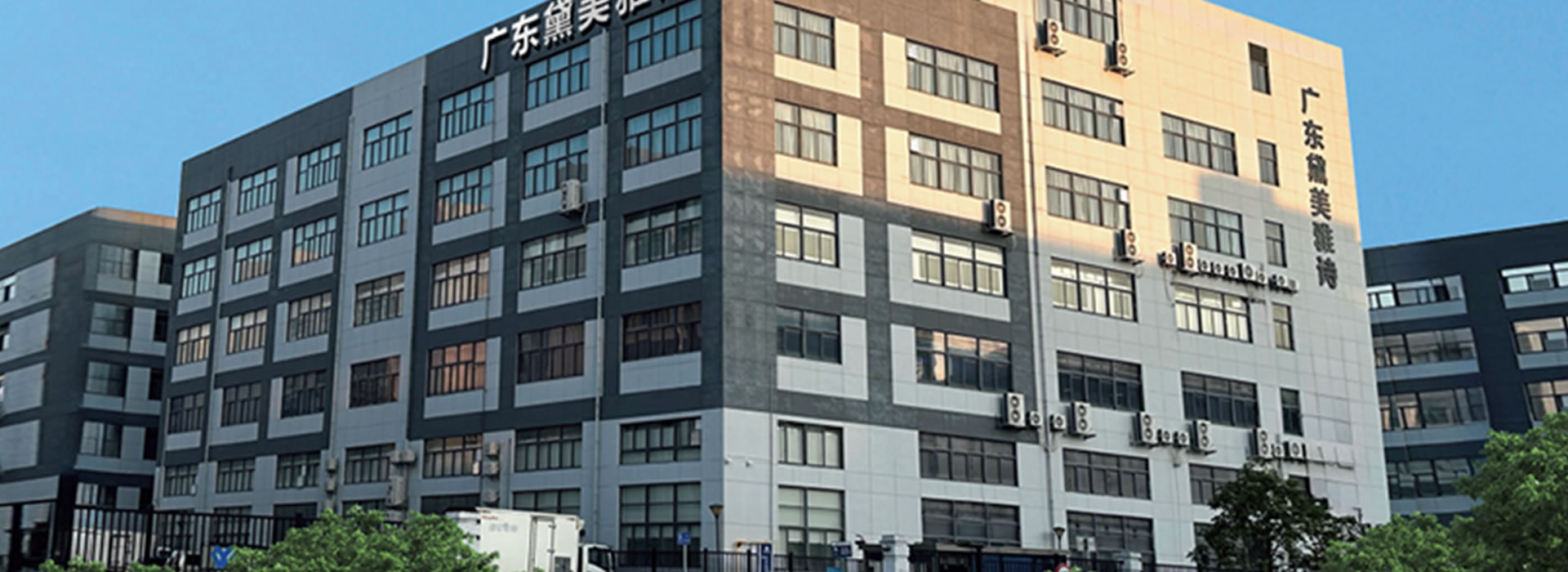
Qualifications and hardware facilities are the foundation. When visiting the factory on the spot, first check whether it has a cosmetics production license, and the scope of the license covers "general liquid units (essence liquid)". Pay attention to the cleanliness of the workshop - whether the essence filling area meets the 100000 level or higher purification standard, and whether the air purification system continues to operate. At the same time, observe the water treatment equipment. The matrix of essence liquid is mainly water. The operation and maintenance records of the deionized water or distilled water preparation system can reflect the importance of the factory on basic links.
The research and development strength and quality control capability need to be verified with emphasis. Request the factory to provide past sample cases to understand the experience of its R&D team in formula stability and anti-corrosion system design. Ask if the following key testing equipment is equipped: pH meter, viscosity meter, microbial incubator, high-pressure sterilization pot, etc. Check if the factory inspection report covers microbial indicators such as total bacterial count, heat-resistant coliforms, and heavy metal content testing data. In addition, confirming whether the factory has passed ISO 22716 (Good Manufacturing Practice for Cosmetics) or similar system certification can demonstrate that its production management is systematic.
Service awareness and cooperation directly affect the collaborative experience. During the trial production phase, observe the factory's response speed to formula adjustment suggestions. High quality processing factories will proactively provide suggestions on raw material compatibility taboos, packaging compatibility, etc., rather than passively accepting orders. Inquire about the scale of existing cooperative brands and understand their production capacity surplus - if multiple production lines in the factory operate at full capacity, the flexibility of inserting orders during peak seasons may be limited.
2、 Analysis of Cooperation Conditions
The cooperation conditions usually revolve around four core elements:
Minimum Order Quantity (MOQ): Specify the minimum production quantity per order. The minimum order quantity for small factories is in the thousands of bottles range, while for medium-sized and larger factories, a minimum order quantity of tens of thousands of bottles may be required. Brands need to choose partners who match the minimum order quantity based on their own channel digestion ability.
Price composition: The cost generally includes four parts: raw material cost, packaging material procurement, filling and processing, and inspection cost. Need to obtain a itemized quotation, compare the unit price differences of different processing factories, and confirm whether the sampling fee and mold fee are charged separately.
Payment terms and settlement methods: Industry practice is to prepay 30% -50% of the deposit, and settle the remaining balance before shipment. The new cooperative brand can negotiate a payment term of about 30 days, depending on the factory's evaluation of the brand reputation.
Ownership of formula rights: Clarify whether the brand owner has exclusive ownership of the formula. Some factories provide official formulas, and brands can adjust their fragrance, color, etc. on their own; If jointly developing exclusive formulas, it is necessary to agree on the ownership of intellectual property rights and whether they can be supplied to other brands in the future.
3、 Standard Cooperation Process
A complete collaboration usually consists of six stages: the requirements communication stage, where the brand provides target efficacy, skin feel, aroma preferences, and budget range; During the formula sampling stage, the factory provides 2-3 versions of samples, which are screened after internal brand evaluation; During the stability testing phase, the samples undergo accelerated tests such as high and low temperature cycling and light exposure (taking 4-8 weeks) to ensure stable characteristics during the shelf life; In the packaging material adaptation stage, the selected formula is loaded into the brand's own packaging materials to test the sealing and material compatibility; In the pilot stage, small-scale trial production is carried out to inspect details such as filling accuracy and nozzle atomization effect; During the mass production and delivery phase, after confirming that all inspections are qualified, arrange for mass production and logistics distribution.