
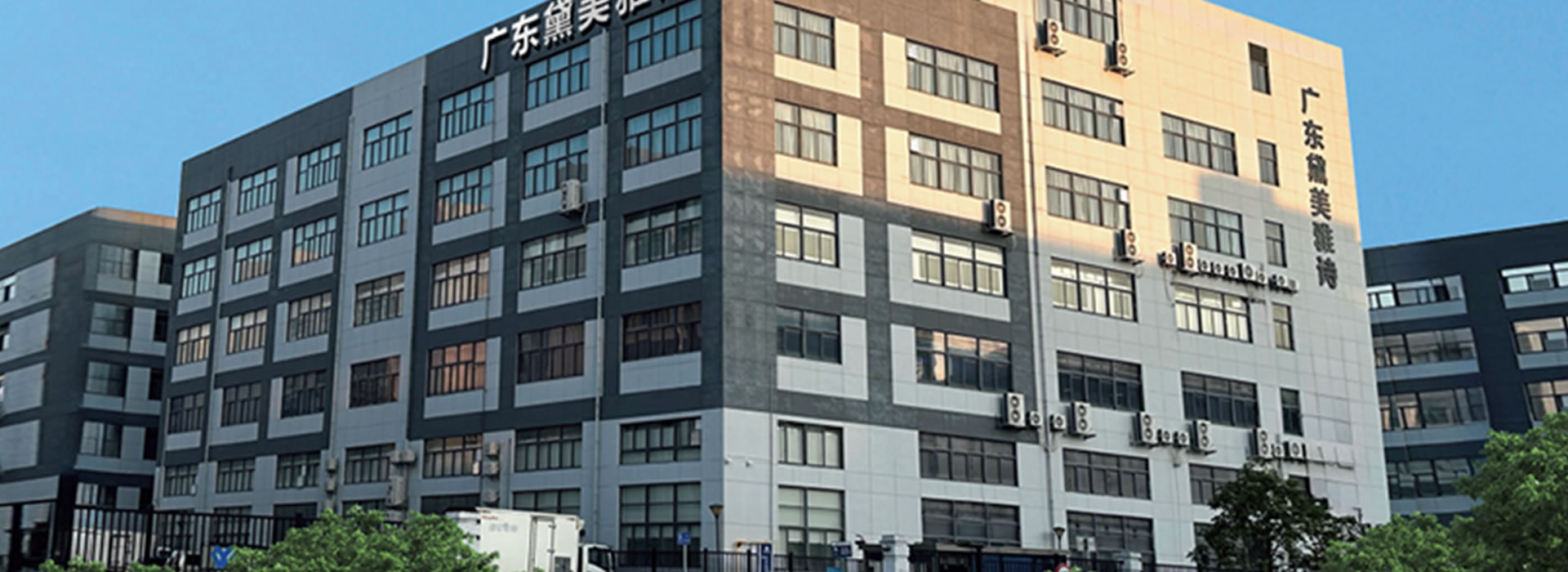
How to find a suitable toner essence water processing plant
Finding a suitable processing plant is a crucial step for a brand to move from concept to product. For products such as toner essence water, the matching degree of the factory is directly related to the stability of the material, the integrity of the packaging and the delivery rhythm. The following will be discussed from three dimensions: ability assessment, cooperation conditions, and cooperation process.
1、 Assessing factory capabilities: observing the site, system, and case studies
The first step is to narrow down the scope. Through the website of the cosmetics industry association, the exhibitor list of the Beauty Expo, or the supplier inquiry platform, select factories with the production qualification of "skincare water agents", focusing on whether they hold a cosmetics production license and whether the license includes "liquid products".
On site audit is a way to assess the true level of a factory. Pay attention to a few details during the visit: whether the floor of the production workshop is dry and free of standing water, whether the hats, masks, and gloves of the filling line employees are worn properly, and whether there is independent ventilation and temperature and humidity records in the raw material weighing area. These details can better reflect daily management level than certificates.
At the same time, request recent third-party testing reports from the factory to view the actual detection values of microbial and heavy metal indicators. It is required to check the toner essence water samples produced by the factory for other brands, pay attention to the color uniformity of the material body, the adhesion of the bottle body printing, and the smoothness of the liquid when the nozzle or pump head is pressed. If the factory can provide cooperation records of at least two similar product customers, and these brands have been circulating in the market for more than a year, it indicates that their production stability has been verified.
2、 Cooperation conditions: minimum order quantity, price and payment terms, division of responsibilities
The minimum order quantity is the primary screening criterion. The common packaging specification of toner essence water is 100ml to 200ml, and the minimum order quantity of the factory is usually between 10000 and 50000 bottles. Brands should choose factories that match their minimum order quantity based on their first order sales forecast and cash flow capability. If the factory allows for partial pickup, it can reduce storage pressure.
The price composition needs to be broken down item by item. The material processing fee is calculated per kilogram, and packaging materials are usually purchased by the brand itself or entrusted to the factory for procurement. It should be clarified that the filling loss rate is generally agreed to be between 1% and 3%, and any excess will be borne by the factory; Is the mold fee charged separately, and is it refunded after reaching a certain order quantity. In terms of payment terms, the industry practice is to prepay 30% -50% of the deposit and settle the final payment before shipment. Some factories also accept payment within 30 days after delivery, but the unit price will be adjusted.
The quality responsibility clause needs to be carefully confirmed. The contract should specify that if there are market complaints due to excessive microbial content or packaging material sealing defects, the factory is responsible for free rework and compensation for direct economic losses. Simultaneously agree on the retention period for the samples, usually one year after the expiration date, to facilitate traceability in case of disputes.
3、 Collaboration process: Three steps of sampling, trial production, and bulk production
The standard process is divided into three stages: sampling, small-scale trial production, and mass production.
Sampling stage: The brand provides product formula ideas or reference samples, and 3-5 samples are prepared in the factory laboratory for simultaneous testing of heat resistance, cold resistance, and centrifugation. After receiving the sample, the brand observes the color, smells it, and applies it to test the skin feel under natural light. This stage takes 2-4 weeks.
Small batch trial production: After confirming the sample, the factory uses formal production equipment and packaging materials to fill 200-500 bottles, simulating the complete production process. This batch of products can be used for internal brand testing and packaging sealing verification. After the trial production is qualified, both parties shall seal the standard samples.
Large scale production: The brand issues a purchase order and the factory schedules production. The production cycle is usually 20-30 working days, including 5-7 days for material preparation and static aging, and 10-15 days for filling and packaging. During this period, the brand can send personnel to conduct on-site inspections, with a focus on checking the deviation of filling volume and the integrity of sealing. After the completion of the bulk production, the factory provides factory inspection reports for each batch, and arranges for final payment and shipment after the brand acceptance is qualified.
Choosing a processing plant is like choosing a long-term partner. Spending more time on factory audits and contract terms in the early stages will make future cooperation smoother. The accumulation of experience in each collaboration will provide more basis for the next choice.