
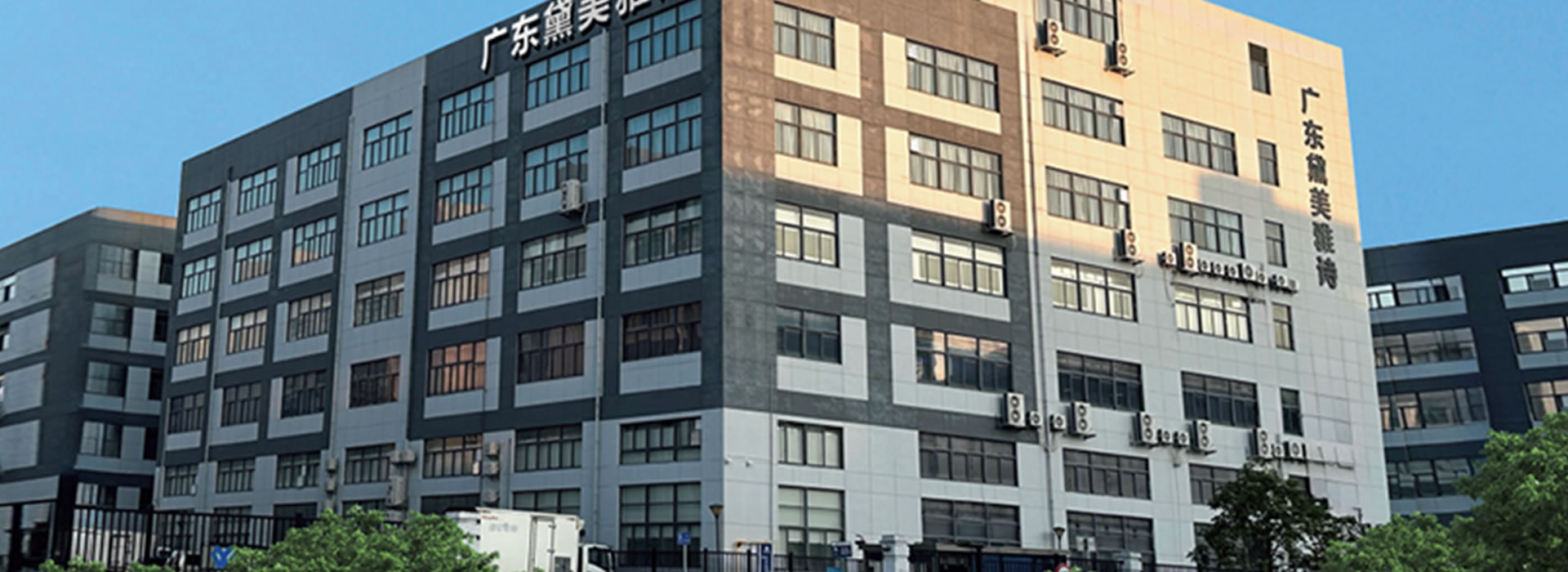
How to find a suitable OEM factory for facial skincare products: evaluation points and cooperation process
For cosmetic brands, choosing a suitable OEM/ODM (Original Equipment Manufacturer) is a crucial step in moving products from concept to market. The production capacity, quality control level, and compatibility of the OEM directly affect the final presentation of the product. The following provides a reference guide from two aspects: inspection and evaluation points and cooperation process.
1、 Four dimensions of inspecting and evaluating contract factories
Qualifications and Compliance
Firstly, check whether the factory holds a cosmetics production license, which is a basic prerequisite for carrying out production. Confirm whether the licensing scope includes "general liquid unit", "cream lotion unit" and other categories corresponding to your product. In addition, attention can be paid to whether the factory has passed system certifications such as ISO22716 (Good Manufacturing Practice for Cosmetics), which reflects its basic management level.
Production environment and hardware conditions
Arrange on-site visits to the factory to observe the hygiene and order of the workshop, warehouse, and inspection room. Does the production workshop have a 100000 level air purification standard or similar clean environment? Are isolation measures taken in the filling area? At the same time, understand the type and maintenance status of its production equipment, such as whether the capacity of the emulsifying pot can meet your minimum order quantity, and whether the filling line has automation capabilities to reduce manual contact pollution.
R&D and sample capabilities
Inquire whether the factory has a formula development team that can provide support from sampling, stability testing to anti-corrosion challenge testing. Ask the other party to provide samples of previously developed facial skincare products (such as essence liquid, face cream and cleanser), and evaluate the texture, skin feel, absorption speed and other characteristics through their own trial or third-party testing. Note that the sample should not be promised to have "outstanding effects", but rather to see if it meets the product positioning.
Quality control and traceability system
Understand the inspection process of the factory from raw material storage, production process to finished product delivery. Inquire whether it has established a batch management mechanism - that is, each batch of products can be traced back to the raw materials used, operators, and production time. Request third-party type inspection reports for previous products and confirm the frequency of regular external inspection by the factory.
2、 Collaborative Process for Customized Processing
The docking between the two parties is generally divided into six stages:
Stage 1 Requirement Communication
The brand side provides product ideas: dosage form (such as lotion and gel), efficacy direction (such as moisturizing, refreshing and oil control), target skin type, packaging form and estimated order quantity. The OEM factory preliminarily evaluates the feasibility based on this.
Stage 2 formula sampling
The factory develops formulas based on demand and provides samples in 2-3 directions. The brand may request adjustments to ingredient ratios or skin texture for trial and screening. This stage usually requires 1-3 rounds of modifications, with a cycle of about 2-6 weeks.
Stage Three Sample Confirmation and Testing
After determining the final formula, the factory produces a confirmation sample, and the brand conducts microbiological, heavy metal, and other safety testing on its own or through a third-party organization. At the same time, confirm that essence, preservatives and other additives meet the requirements of the Technical Specifications for Safety of Cosmetics.
Stage Four Contract Signing and Filing Preparation
Both parties agree on: product unit price, minimum order quantity, packaging method, delivery time, and payment method. The brand owner needs to provide registered trademarks or authorization documents. The factory cooperates to complete all production records and inspection reports required for product safety assessment reports, cosmetics filing/registration.
Stage 5: Procurement of Packaging Materials and Production Scheduling
The brand owner purchases packaging materials (bottles, caps, labels, outer boxes) themselves or entrusts factories to do so. After the packaging materials arrive, the factory conducts cleaning and disinfection, filling, sealing, coding, and boxing. At this stage, the brand can dispatch personnel to conduct on-site inspections.
Stage 6 Finished Product Inspection and Shipping
After the finished product is completed, it undergoes factory inspection, including appearance, net content, sealing, etc. After passing the random inspection, the goods will be sealed and shipped. The factory issues a finished product inspection report and provides retained samples for each batch for subsequent inspection.
Throughout the entire cooperation, both parties maintain written records - from quotation sheets, sample confirmation forms to inspection reports, each link has a basis for reference. For the first cooperation, it is recommended to start with small-scale trial production (such as 1000-3000 units), and expand orders gradually after market feedback stabilizes, in order to establish a trust relationship.