
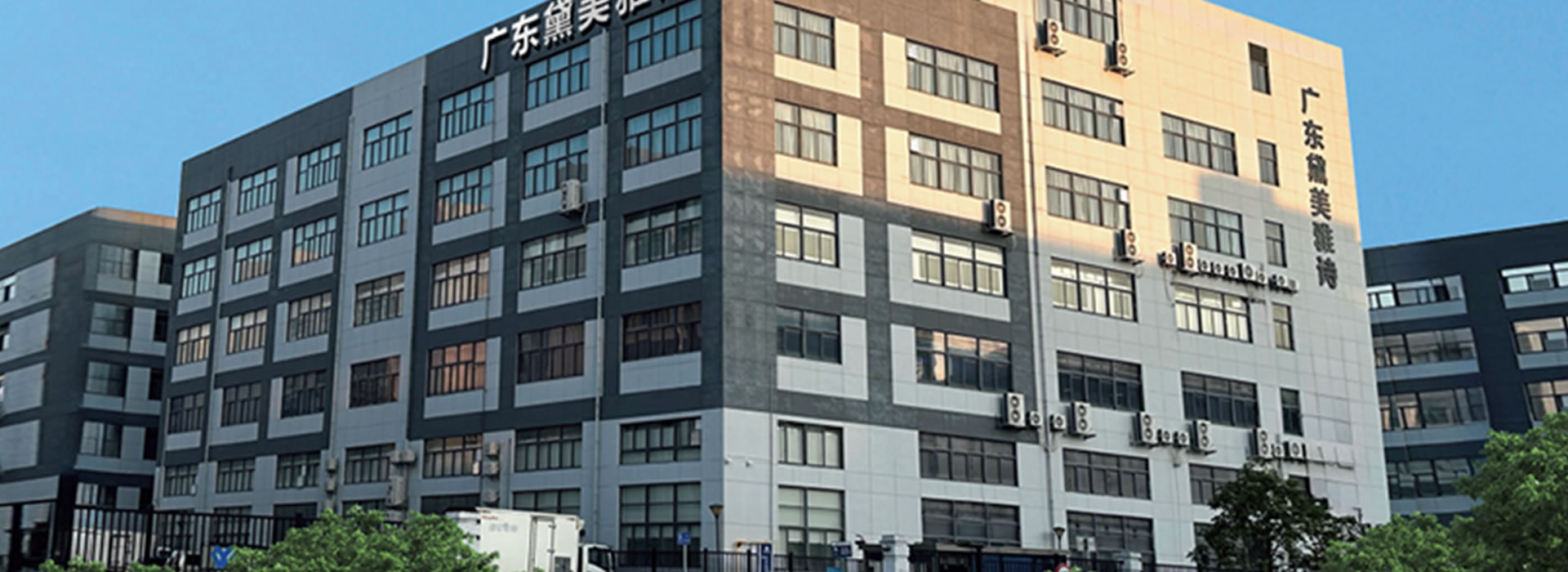
Landing in Guangzhou: Open Your Cleansing Milk OEM Cooperation Guide
In Guangzhou, relying on the mature cosmetics industry chain and manufacturing foundation, many brands choose to cooperate with local factories to complete the production and processing of facial cleanser products. This collaborative model covers multiple stages from formula development to finished product delivery, providing flexible product implementation paths for brands of different scales.
Collaboration usually begins with requirement communication. The brand needs to clarify the market positioning, target skin type, capacity specifications, and packaging form of the product. The cosmetics factory in Guangzhou is generally equipped with a research and development team, which can carry out formula debugging in the laboratory according to the specific indicators proposed by the brand, such as cleanliness, foam richness, skin feeling after washing, etc. The sampling process usually requires several adjustments until the sample meets the sensory and physicochemical standards confirmed by both parties.
After the formula is confirmed, both parties will sign a commissioned processing contract that includes the product name, ingredient list, processing technology, delivery time, and price terms. Before production starts, the factory needs to purchase packaging materials designated by the brand and carry out disinfection and cleaning treatment. The production process of facial cleanser involves multiple steps such as emulsification, stirring, filling, capping, and labeling. Most factories use automated equipment to complete filling and sealing to ensure stable production and filling volume for a single batch.
Quality control is a key node in cooperation. Regular factories will retain samples from each batch and issue factory inspection reports. The brand can also commission third-party organizations to conduct microbiological and heavy metal indicator testing. When the finished product is shipped, the factory usually randomly inspects the sealing and appearance of the packaging in proportion to ensure the integrity of the delivered product.
For brands without independent factories, utilizing the existing production resources in Guangzhou allows them to focus on product design, channel construction, and consumer communication. This division of labor model has been operating in the industry for many years, forming a complete supporting system from raw material supply to logistics distribution. By conducting on-site inspections of the factory's research and development capabilities and production environment, brand owners can gradually establish a supply chain combination that suits their own needs.