
Customized acne cream, how to cooperate with cosmetics factories for processing acne cream
Customized Acne Cream: The Path of Collaborative Processing with Cosmetics Factories
In today's personalized skincare market, customized acne cream is becoming a trend worth paying attention to. Many brands hope to launch acne products that meet specific user needs, and collaborating with professional cosmetics factories for processing is an important way to achieve this goal.
The value of customized acne cream
Everyone's skin condition has its own characteristics, and the causes of acne formation are also different. Customized acne cream can be adjusted according to different skin types, acne types, and skincare needs, making the product more tailored to the actual situation of users. This personalized solution makes skincare more targeted.
Steps to collaborate with cosmetics factories
Step 1: Clarify product positioning and requirements
Before contacting the factory, it is necessary to clarify the target users, main functions, ingredient preferences, and price positioning of the product. Consider clearly whether you want the product to focus on soothing, oil controlling, or repairing directions, which will lay the foundation for subsequent formula development.
Step 2: Find a suitable cooperative factory
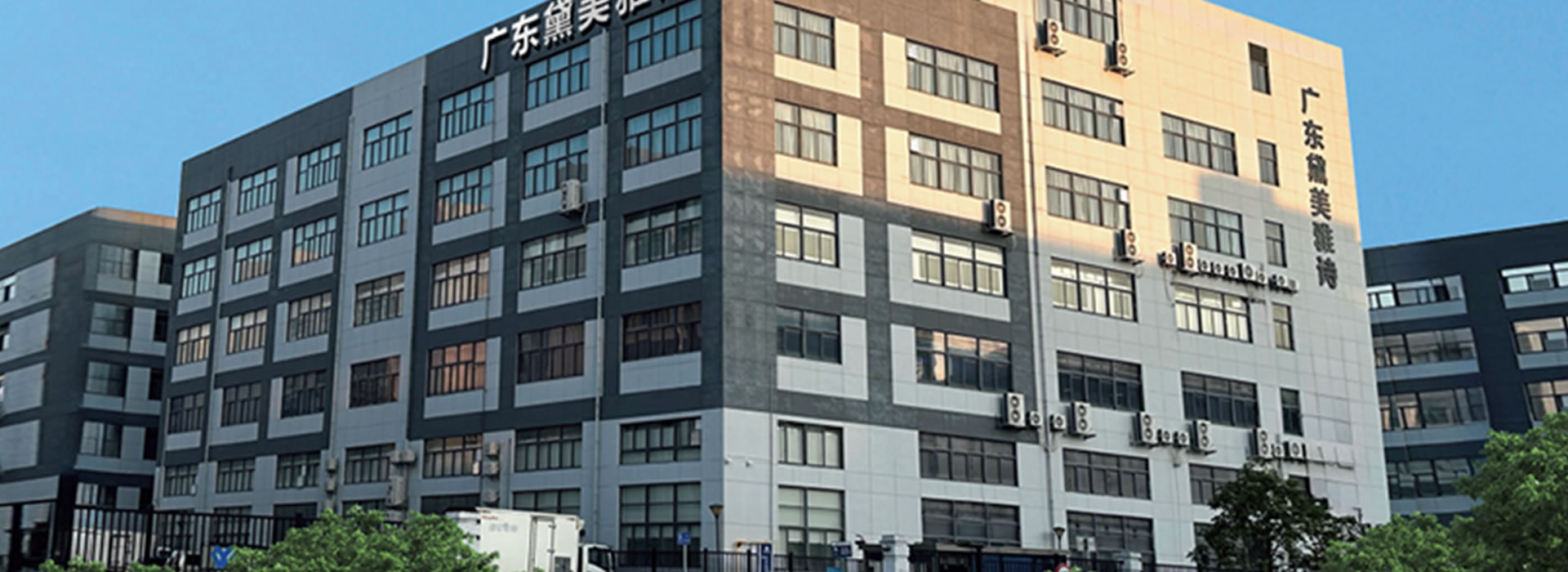
It is very important to examine the professional qualifications, production environment, research and development capabilities, and past cases of the factory. Visit the production workshop of the factory to understand its quality control process and ensure compliance with cosmetic production standards.
Step 3: Formula development and sample testing
Deeply communicate with the R&D team of the factory and develop preliminary formulas based on requirements. This stage requires multiple adjustments and sample testing, including stability testing, safety assessment, and user experience optimization, until the expected results are achieved.
Step 4: Determine packaging and design
Packaging is not only the external manifestation of a product, but also affects the user experience and product stability. Discuss the applicability, sealing, and design feasibility of packaging materials with the factory to ensure that the packaging matches the product characteristics.
Step 5: Small batch trial production and adjustment
It is necessary to conduct small-scale trial production before formal large-scale production. This helps identify potential production issues and make final optimization adjustments to the product.
Step 6: Formal production and quality monitoring
After entering the formal production stage, the quality control system of the factory is crucial. Regular sampling, production records, and batch tracking are all important measures to ensure product consistency.
Notes on Cooperation
Transparent communication: Maintain open and continuous communication with the factory to ensure mutual understanding of product standards
Contract clarification: Detailed provisions shall be made in the cooperation agreement regarding the responsibilities of both parties, ownership of intellectual property rights, quality standards, and other related clauses
Compliance awareness: Ensure that product ingredients, promotional language, etc. comply with relevant regulatory requirements
Market feedback: After the product is launched, collect user feedback to provide reference for subsequent product improvement
Conclusion
Customized processing of acne cream is a patient and professional process that requires close collaboration between the brand and the factory. Through this collaborative model, brands can focus their resources on market insights and brand building, while factories leverage their professional advantages in research and production. This division of labor and collaboration helps to bring acne products that better meet user needs to the market, providing more choices for people with different skin conditions.