
How to determine whether the production environment of a customized skincare factory meets hygiene standards and whether there are regular inspections
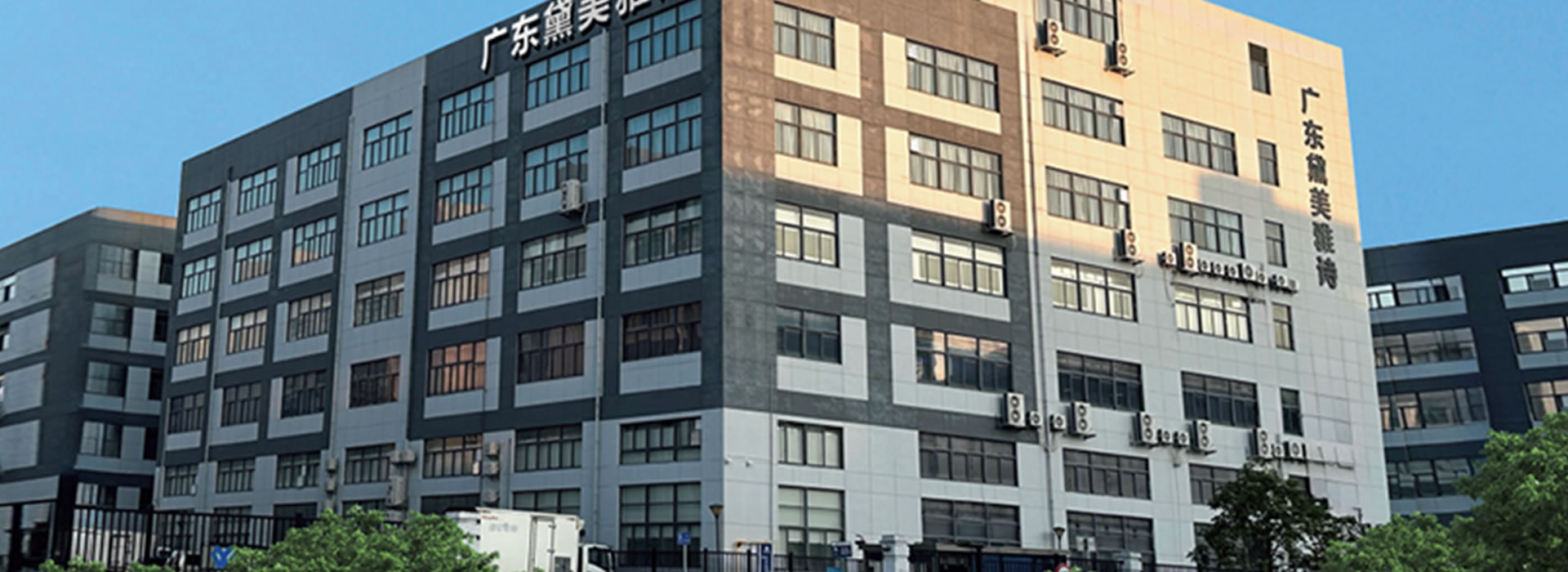
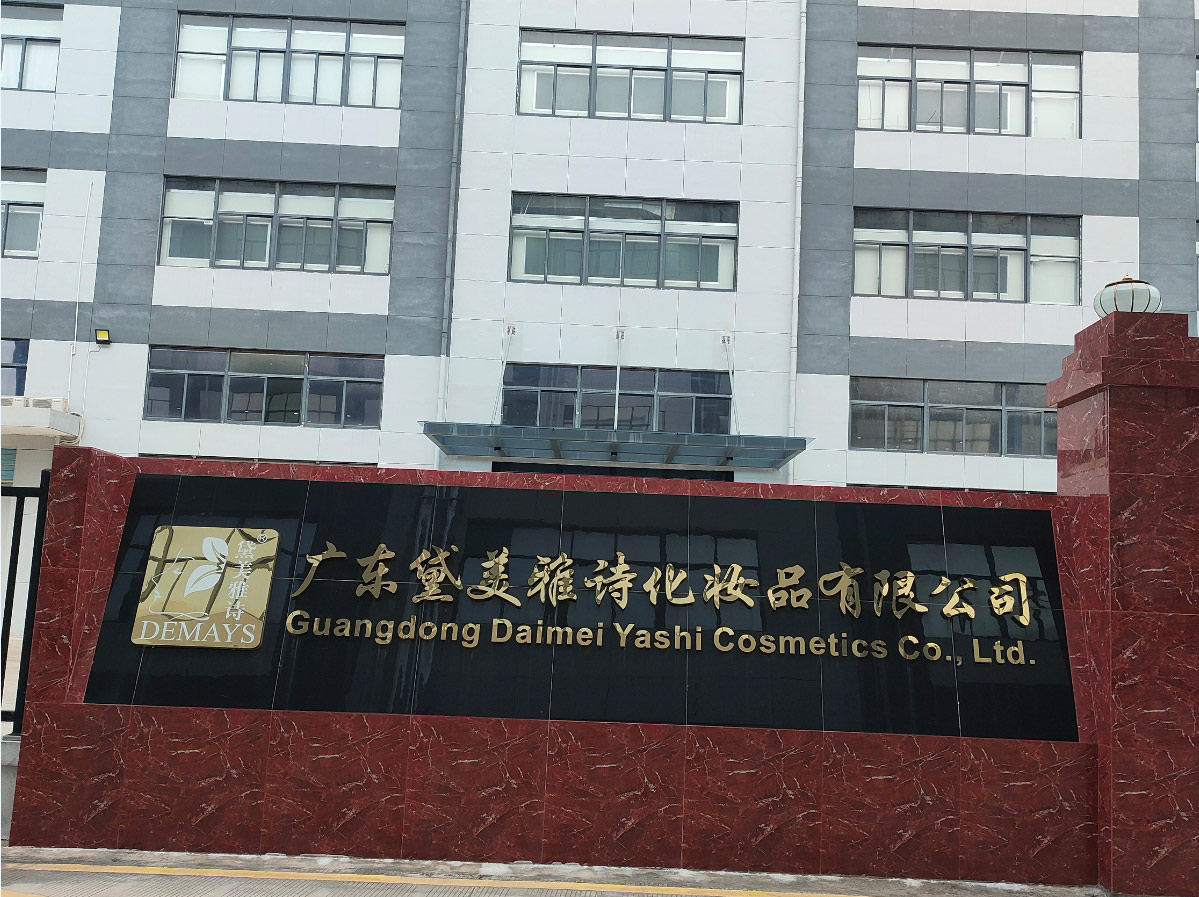
To check whether the production environment of a customized skincare processing factory meets hygiene standards and whether there are regular inspections, you can start from the following aspects (taking the example of the Daimei Yashi factory):
Qualification document inspection: The factory is required to present relevant qualification certificates, such as the cosmetics production license, which is the basic admission certificate for production. Check the hygiene testing report, including testing reports on air cleanliness, water quality, microbiological indicators, etc., confirm the time of issuance of the report, testing items, testing results, and the qualifications of the testing institution, and understand whether the factory conducts testing at the prescribed frequency, such as quarterly or semi annual testing of air cleanliness and regular testing of water quality. At the same time, review the factory's hygiene management system documents to understand its regulations and processes for cleaning, disinfecting, and managing personnel hygiene in the production environment.
On site inspection of production workshop: Observe whether the workshop layout is reasonable and whether there are clear functional zones, such as raw material storage area, production area, semi-finished product storage area, finished product storage area, quality inspection area, etc. Each area should be effectively isolated to prevent cross contamination. Check whether the ground is flat, clean, and free of accumulated water, oil stains, and garbage; The walls and ceilings should be smooth, without cracks or peeling, and easy to clean and disinfect. Assess whether the ventilation system in the workshop is good, whether there is sufficient fresh air circulation to maintain fresh air, and at the same time check whether the lighting is sufficient and uniform. Check if the workshop is equipped with comprehensive dust, fly, and rodent prevention facilities, such as screens, door curtains, air curtains, fly killing lamps, mouse traps, etc. These facilities are crucial for preventing external pollutants from entering the workshop.
Equipment and tool hygiene inspection: Check whether the surface of production equipment is clean, free of dirt, residual materials or rust, especially the parts that come into direct contact with the product, such as the filling head of the filling machine, the stirring blade of the emulsifier, etc. Understand whether the equipment is regularly cleaned and disinfected internally, check the equipment's cleaning and maintenance records, including cleaning time, cleaning agents and disinfectants used, operators, and other information. Observe whether the tools and containers used in the production process are clean and whether there is a dedicated storage area to avoid contaminating the products after the tools and containers are contaminated.
Personnel hygiene management inspection: Observe the personal hygiene status of the workshop staff, whether they are wearing clean work clothes, work hats, masks, and work shoes, and whether they are wearing jewelry or other items that may affect product hygiene. Inquire whether the factory conducts regular health checks on employees, checks their health certificates, and ensures that personnel engaged in direct contact with cosmetics production are in good health and free from infectious diseases. Understand the hygiene training provided by the factory to employees, including training content and frequency on personal hygiene habits, production operation hygiene standards, and other aspects.
Cleaning and disinfection process and record review: Inquire with factory staff about the cleaning and disinfection process of the workshop and equipment, including the types, concentrations, usage methods, and disinfection time of the cleaning and disinfection agents used, to ensure that the cleaning and disinfection methods are scientific and reasonable. Check the cleaning and disinfection records to confirm whether the cleaning and disinfection are carried out according to the prescribed frequency and process, such as the number of times the workshop floor is cleaned and disinfected every day, the cleaning and disinfection situation before and after each use of the equipment, etc.
Communicate and exchange with the factory: Communicate with the factory's management personnel, production personnel, quality control personnel, etc., inquire about their understanding and practical operation of production environment hygiene management, understand the problems and solutions encountered by the factory in hygiene management. Understand whether the factory has emergency plans in place to respond to sudden health incidents, such as equipment contamination, raw material contamination, and other related situations.