
What is cosmetic labeling and what is the process of cosmetic factory labeling
OEM/ODM (Original Equipment Manufacturer) is a cooperative model in which brand manufacturers use the production capacity and qualifications of their cosmetics factories to launch their own branded cosmetics
OEM(Original Equipment Manufacturer): Brand manufacturers provide branding, packaging design, etc., and cosmetics factories use their own equipment and manpower to complete product production in accordance with the brand manufacturer's formula, quality standards, and other requirements. For example, a newly emerging internet celebrity beauty brand may have creative ideas and brand operation strategies, but lacks a production workshop, so it seeks professional factories for outsourcing.
ODM(Original Design Manufacturer): The factory is not only responsible for production, but also provides product formulas, packaging design schemes, etc. based on its own research and development capabilities. After the brand is selected, it will stick its own brand trademark for sale, which is suitable for brands that want to quickly launch new products but lack research and development resources.
The general process of cosmetic factory branding is as follows:
dswe.jpg
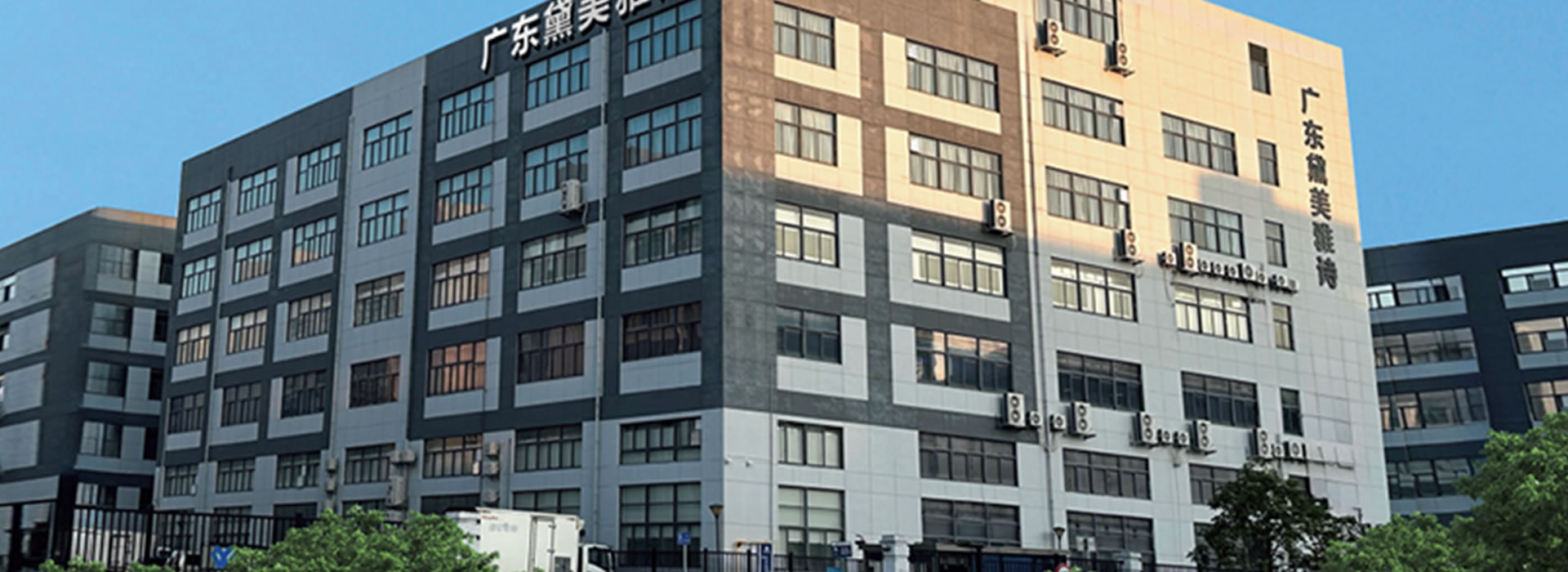
Daimei Yashi Cosmetics Processing Manufacturer
Pre preparation of brand merchants
Determine brand positioning and planning: clarify the target audience, main functions, price range, and brand style of the product, whether it is an affordable fast-moving consumer makeup for the student group or a mid to high end skincare series focused on anti-aging and repair.
Trademark registration: Only after submitting an application to the National Trademark Office and successfully obtaining the trademark acceptance notice or registration certificate, can one have the legal right to use the brand logo, which usually takes 6-12 months.
Select cooperative factories
Assessing factory qualifications: Confirm whether the factory has compliance certificates such as cosmetics production license and business license, and verify whether the scope of the license covers the types of products to be produced, such as whether it can produce sunscreen and whitening special cosmetics.
Assessment of production capacity: understand the average daily and monthly production capacity of the factory, and the advanced level of equipment, such as whether there is the latest emulsification equipment to ensure the delicate texture of lotion, personnel size and professionalism, and check the education and experience composition of the research and development team.
Research reputation and credibility: Inquire with industry professionals or review past customer reviews to avoid cooperation with factories with a history of delivery delays and quality disputes.
3- Product sampling
Communication needs: the brand manufacturer and the factory communicate in detail the product dosage form (essence, face cream, lipstick, etc.), ingredient requirements, fragrance, color, packaging form (bottled, canned, bagged) and other details.
Initial sampling: The factory prepares samples, which are usually completed within 15-30 days and delivered to the brand owner.
Sample testing feedback: Brand owners organize internal trials, conduct consumer research, collect feedback on texture, effect, odor, etc., and organize opinions to send to the factory for optimization.
Multiple adjustments: The factory made multiple modifications to the formula and packaging based on feedback until both parties were satisfied with the final sample.
Sign the contract
Clarify the terms: determine the core content such as product price, order quantity, delivery time, quality standards, acceptance method, payment method, confidentiality clause, etc. For example, the quality standards provide detailed definitions of microbial indicators and upper limits for heavy metal content.
Legal review: Both parties' legal personnel carefully review the contract to avoid potential legal risks, and then formally sign it.
Packaging material procurement and production preparation
Customized procurement of packaging materials: Brand owners can purchase packaging materials themselves or entrust factories to purchase them, customize bottle bodies, bottle caps, labels, etc., and reserve 15-45 days for production and transportation.
Production scheduling: The factory arranges production plans based on order volume and equipment idle time, prepares raw materials in advance, and debugs equipment.
Production, Inspection, and Shipping
Formal production: The factory produces in batches according to established processes and procedures, and controls the quality of each link during the process, such as sampling each batch of raw materials.
Finished product inspection: After production is completed, the factory first conducts self inspection, and then invites brand manufacturers to conduct random inspections. Qualified products are labeled with the brand logo and packaging.
Delivery of goods: According to the logistics method stipulated in the contract, the factory will deliver the goods to the designated location of the brand, accompanied by production batch reports, quality certificates, and other documents.
After sales follow-up: In the process of selling products, if brand merchants encounter quality complaints or other after-sales problems, they should communicate with the factory in a timely manner, jointly investigate whether it is caused by transportation, storage or production processes, and negotiate solutions.