
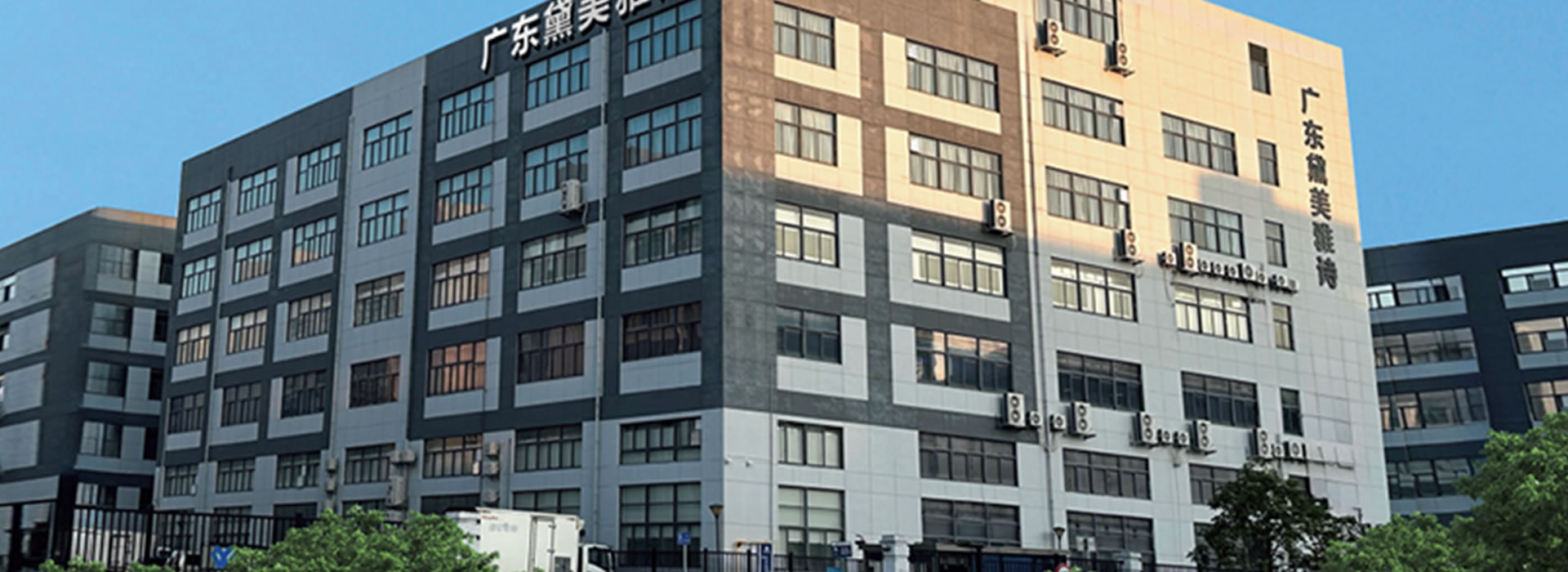
How does cosmetics OEM Daimei Yashi create a product processing and production process
If cosmetics OEM manufacturer Daimei Yashi wants to create a scientific, efficient, and quality standard compliant product processing and production process, it can start from the following key aspects
Pre communication and requirement confirmation
In depth communication: Fully communicate with customers to understand their brand positioning, target market, product concept, efficacy requirements, etc. For example, if the customer is a high-end skincare brand targeting young women, with a focus on natural and gentle product concepts, Daimei Yashi needs to clarify these needs in order to match them in subsequent stages.
Determine specifications: determine the specifications and parameters of the product in detail, including dosage form (such as lotion, essence, face cream, etc.), packaging form, raw material composition and content requirements, production quantity, delivery time, etc.
Raw material procurement and inspection
Supplier screening: Strictly screen raw material suppliers, examine their qualifications, reputation, production capacity, and quality control system. Prioritize selecting suppliers with good reputation and long-term cooperation experience to ensure reliable sources of raw materials.
Raw material inspection: Strictly inspect each batch of purchased raw materials, including visual inspection, physical and chemical index testing (such as acidity, purity, active ingredient content, etc.), microbiological testing, etc. Only qualified raw materials can enter the production process, and unqualified raw materials must be resolutely returned.
Product development and formula design (if needed)
R&D team: Establish a professional R&D team, including cosmetic formulators, dermatologists, etc., with rich R&D experience and professional knowledge.
Formula optimization: Develop and optimize formulas based on customer needs and market trends. Through multiple experiments and tests, ensure the stability, efficacy, and safety of the product. For example, when developing whitening products, experiments are conducted on the combination and concentration of different whitening ingredients to achieve the best whitening effect without adverse reactions.
Preparation before production
Equipment debugging: Conduct a comprehensive inspection and debugging of production equipment to ensure normal operation, such as emulsification equipment, filling equipment, packaging equipment, etc.
Environmental cleanliness: Strictly clean and disinfect the production workshop to ensure that the production environment meets hygiene standards and prevent microbial contamination.
Personnel training: Provide training to production personnel to familiarize them with product production processes, quality standards, and operating procedures.
Production and processing
Raw material pretreatment: According to the product formula requirements, the raw materials are pretreated, such as dissolution, stirring, filtration, and other operations.
Emulsification and mixing: Emulsification or mixing operations are carried out according to specific process parameters to ensure the texture and stability of the product. For example, controlling the emulsification temperature, time, and stirring speed.
Quality monitoring: Multiple quality monitoring points are set up during the production process to monitor key indicators of the product in real time, such as the acidity and viscosity of semi-finished products, in order to promptly detect and solve problems.
Product Inspection and Testing
Finished product inspection: Conduct a comprehensive inspection of the produced products, including appearance, physical and chemical indicators, microbiological indicators, packaging integrity, etc.
Efficacy testing (optional): Conduct corresponding efficacy tests based on the product's claimed efficacy, such as moisturizing effect testing, antioxidant performance testing, etc., to ensure that the product achieves the expected effect.
Stability testing: Place the product under different environmental conditions (such as high temperature, low temperature, light, etc.) for stability testing, observe whether the product has deteriorated, layered, discolored, etc., and evaluate the shelf life of the product.
Packaging and Labeling
Packaging material inspection: Inspect packaging materials to ensure they meet quality standards and environmental requirements, are odorless, and free from pollution.
Packaging operation: Packaging the product according to customer requirements, including filling, boxing, labeling, and other operations to ensure the beauty and firmness of the packaging.
Label review: Review the content of product labels to ensure that the label information is accurate, clear, and in compliance with relevant regulations and standards, such as ingredient lists, instructions for use, production dates, shelf life, etc.
Finished product warehousing and delivery
Warehouse management: Store finished products that have passed inspection, classify them according to product categories and batches, and keep inventory records.
Product delivery: Deliver the product to the customer according to the agreed delivery time and method in the contract. Before delivery, recheck the product to ensure its quality and quantity are correct.
After sales service and feedback handling
Customer communication: Maintain close communication with customers and promptly understand their feedback on the product.
Problem solving: Quickly respond to and investigate customer issues or complaints, take effective improvement measures, and continuously improve product quality and service levels.
Through the above steps, Daimei Yashi can create a complete, standardized, and efficient product processing and production process, providing customers with high-quality cosmetics OEM services.
- Prev:Daimei Yashi improves its research and development capabilities from multiple aspects, and how much manpower and material resources are invested in research and development each year
- NExt:If Daimei Yashi cosmetics OEM processing manufacturers conduct research on changes in the demand for cosmetics under the brand name